
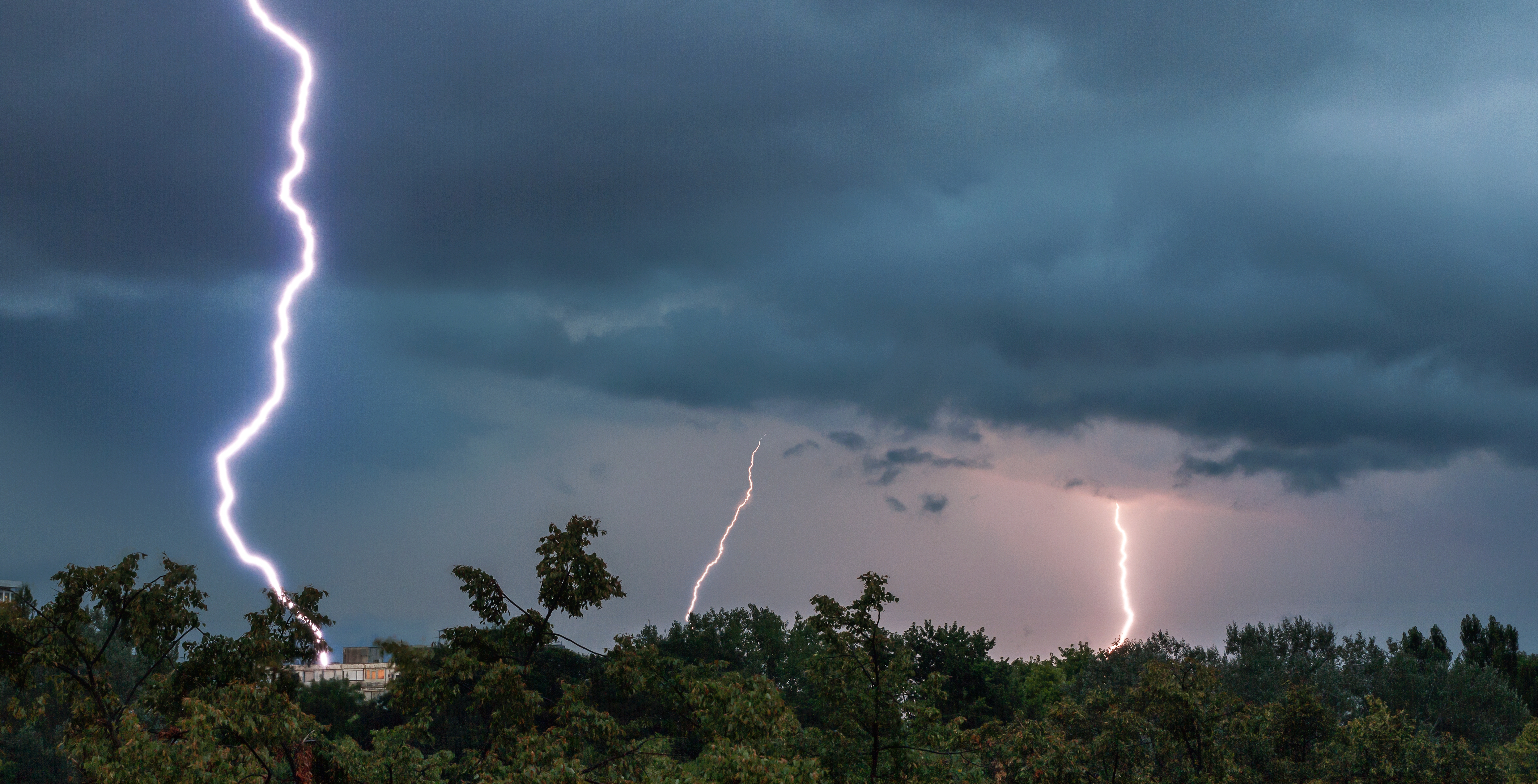
Storm Readiness for Your HVAC System
Storm preparation often starts with flashlights, bottled water, and fresh batteries. Those essentials matter, but it is also wise to plan for the equipment that supports your home comfort. During National Preparedness Month, Loving Air encourages homeowners in Fredericksburg, Virginia, and nearby communities to include their heating and cooling system in their severe-weather checklist.
A few proactive steps can help protect residential HVAC equipment from wind, debris, flooding, and electrical disruptions. Preparing before conditions deteriorate gives you more time to act safely and may help reduce the risk of unexpected damage.
Turn Off Your HVAC Equipment Before Severe Weather Arrives
When a severe storm is on the way, shutting down your HVAC system before the weather worsens can be a practical precaution. High winds, heavy rain, flooding, lightning, and changing electrical conditions can all put heating and cooling equipment at risk. Turning the system off may help limit exposure to electrical damage caused by lightning or power surges.
Do not wait until a storm is already in progress to take action. Once conditions become unsafe, it may be more difficult to access equipment or make decisions without taking unnecessary risks. Taking care of your HVAC system early is one more way to prepare your home before the forecast turns serious.
Window air conditioners should be part of the plan as well. Unplug and secure these units before severe weather arrives. When a stronger storm is expected, bringing a window unit indoors may help prevent damage and reduce vulnerabilities around the window opening.
Clear and Inspect the Outdoor Unit
Your outdoor air conditioning condenser can be exposed to flying debris during high winds and heavy storms. Branches, loose lawn items, leaves, sticks, patio furniture, and overgrown plants can create problems if they strike or block the unit.
Keeping the space around the equipment clear supports normal airflow and can also reduce storm-related hazards. Before storm activity increases, trim back nearby shrubs and plants, remove loose material, and check that nothing around the unit could become airborne in strong winds.
After the storm has passed, inspect the area around the outdoor unit carefully before turning your system back on. Damage is not always easy to spot immediately. Bent fins, loose wires, debris inside the equipment, or unfamiliar sounds can be signs that professional air conditioning repair or HVAC service may be needed.
Consider HVAC Surge Protection
Severe weather can cause unstable electrical conditions. Lightning strikes, power interruptions, and the restoration of utility service can all produce surges that may harm sensitive heating and cooling components. Circuit boards, compressors, and thermostats can be especially vulnerable.
A dedicated surge protector can add another layer of protection for your residential HVAC system. Many homeowners think to safeguard televisions, computers, and smaller electronics, but an HVAC system is one of the most significant electrical investments in the home.
Helping prevent electrical damage may reduce the chance of expensive repairs and sudden equipment failures. If you are considering surge protection for your system, Loving Air can help you discuss options that fit your home and equipment.
Plan for Power Outages With a Backup Generator
An outage affects much more than the lights. It can interrupt refrigeration, communications, medical equipment, and the HVAC system that helps maintain indoor comfort. A backup generator can help keep important household equipment operating when utility power is unavailable.
For homeowners facing extreme heat, humidity, or cooler fall temperatures, maintaining heating and cooling during an extended outage can be particularly valuable. Depending on the generator and your household’s needs, backup power may support your HVAC equipment along with other essential systems.
If you already have a generator, inspect and test it before severe weather becomes more common. Proper maintenance is just as important as having the equipment installed. Check fuel levels, filters, and battery condition, and perform regular test runs to help confirm the generator is ready when you need it.
It is also helpful to identify your priorities in advance. Some households want backup power for only critical appliances, while others prefer broader whole-home coverage. Understanding your expected power needs ahead of time can make emergency planning less stressful.
Schedule a Seasonal HVAC Tune-Up
Routine maintenance is one of the most effective ways to prepare your system for changing temperatures and storm season. A seasonal HVAC tune-up can identify worn parts, electrical concerns, airflow problems, and other issues before they become larger interruptions to home comfort.
Loving Air’s maintenance plans include two annual checkups and are designed to help homeowners stay ahead of routine heating and cooling needs. Seasonal inspections can support energy efficiency, improve airflow, and help extend the service life of your equipment.
Fall HVAC maintenance may include:
- Replacing or cleaning the air filter
- Checking vents and registers throughout the home
- Inspecting electrical connections
- Testing the heating system before colder weather arrives
- Removing debris from around the outdoor unit
- Reviewing overall HVAC performance
These preventive steps can help reduce the likelihood of an inconvenient breakdown during periods of heavy system use. They also give homeowners an opportunity to address small concerns before a furnace repair or other service becomes more urgent.
Do Not Overlook a Post-Storm HVAC Inspection
After flooding, debris impact, or electrical problems, a professional inspection can help uncover damage that may not be visible from the outside. Restarting equipment without recognizing an issue could lead to additional problems for the system.
Contact Loving Air if your HVAC equipment was exposed to storm damage or is making unusual noises after severe weather. Our team serves Fredericksburg, Virginia, and surrounding areas with residential HVAC repair, maintenance, and installation support.
Storm readiness works best when it happens before the weather becomes severe. By preparing your HVAC system, keeping the outdoor unit clear, considering surge protection, checking backup-power readiness, and scheduling seasonal maintenance, you can take meaningful steps toward a safer, more comfortable home. You will not like us, you will love us.